
Experiencing double vision can be worrying, especially if it begins to affect daily activities like reading, driving, or even walking. While it may seem minor initially, it can sometimes indicate underlying health conditions that need attention. With specialized eye care easily accessible, early diagnosis and double vision treatment can help manage the condition effectively.
Here, we’ll cover the types of double vision, what neurological conditions cause double vision, available treatment options, and more.
Need Professional Help for Double Vision?
Book your appointment at Planet Lasik today!
What is Double Vision or Diplopia?
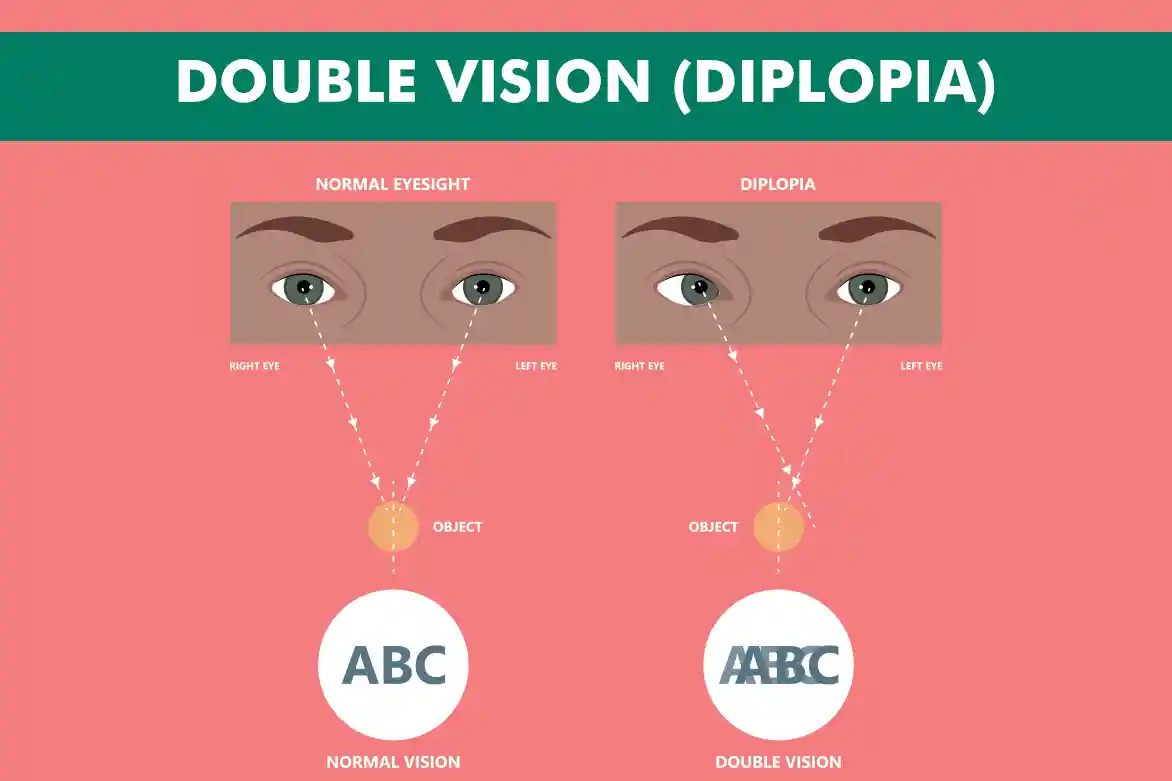
Double vision, also called diplopia, is a condition where your eyes see two images of a single object. These images can be side by side or overlap, which makes daily tasks like reading or driving difficult. Double vision can impact one eye or both, depending on the cause.
In normal vision, both your eyes point at the same spot and your brain merges the two slightly different images into one clear picture. This is called binocular vision. Double vision happens when this process breaks down, either because the eyes are misaligned, the lens inside one eye is distorted, or the brain is not processing the signals correctly.
Types of Diplopia
Diplopia can be classified into two main types: monocular and binocular.
Monocular Diplopia
Monocular diplopia is a form of double vision that occurs when a person experiences double vision in one eye, even when the other eye is closed. This is the most common type of double vision and is generally less concerning than binocular diplopia, which happens with both eyes open.
Typical causes of monocular diplopia include:
- Refractive errors like astigmatism
- Changes in the shape of the eyeball
- Cataract-related changes in the eye’s natural lens
- Corneal surface irregularities, such as keratoconus or untreated astigmatism
Monocular diplopia can make daily activities, like driving or reading, more difficult and may increase the likelihood of falls. However, most people with this condition recover fully, often with minimal intervention.
Binocular Diplopia
Binocular diplopia, commonly called double vision, occurs when a person sees two images while both eyes are open, but the double vision disappears when one eye is closed.
The condition is typically caused by misalignment of the eyes, also known as strabismus or squint. The nature of the double vision varies depending on the direction of the misalignment:
- Horizontal Misalignment: The two images appear next to each other, side by side.
- Vertical Misalignment: One image is positioned above the other.
- Diagonal Misalignment: The images are displaced both horizontally and vertically, resulting in a diagonal separation.
What Causes Double Vision (Diplopia)?
Diplopia can occur due to underlying conditions. These issues affect how the eyes work together, or how the brain processes visual information. Identifying the reasons for double vision is vital for determining the appropriate diplopia treatment.
Some of the common causes of diplopia include:
- Eye muscle problems: Weak or misaligned eye muscles can cause the eyes to focus incorrectly. Conditions like Graves’ disease (thyroid eye disease) and strabismus are common examples.
- Nerve damage: Nerve damage, especially the nerves that control eye movement (cranial nerves III, IV, and VI), can lead to double vision. Diabetes, Guillain-Barré syndrome, and myasthenia gravis can affect the nerves or neuromuscular control of eye movement.
- Brain issues: Conditions like strokes, tumors, or multiple sclerosis can interfere with the brain’s ability to process vision. Brain aneurysms and increased intracranial pressure from bleeding or infection are also possible causes.
- Refractive errors: Cataracts or astigmatism can cause double vision in one eye (monocular diplopia).
- Trauma or injury: Head or eye injuries can result in diplopia by damaging the muscles or nerves involved in eye movement.
What are the Symptoms of Diplopia?
You may notice some of these common double vision symptoms:
- Seeing double images (either side by side or one above the other)
- Blurred vision
- Headaches
- Eye strain or discomfort
- Difficulty focusing
- Sensitivity to light
- Dizziness or trouble with balance
These symptoms can vary based on what’s causing it.
How is Diplopia Diagnosed?
To diagnose diplopia, your doctor will ask about your double vision symptoms and medical history, followed by a detailed eye exam. They may need further tests to understand the causes and determine the best treatment.
Here are some tests commonly used:
- Eye examination: To check for problems with vision, eye movement, or alignment.
- Neurological evaluation: To rule out any brain or nervous system issues that could cause diplopia.
- Blood tests: To test for infections or other health conditions.
- Imaging scans (MRI, CT scan): To closely examine the brain and eye structures.
Your doctor may also use specific tests like a prism test to measure the degree of eye misalignment, an eye movement test to check for muscle weakness, or a slit lamp examination to inspect the eye’s internal structures under magnification.
Visit the nearest branch to get help and maintain proper eye health.
How is Double Vision (Diplopia) Treated?
Eye Patching
Covering one eye with a patch blocks the second image and provides immediate relief. This is often used as a short-term solution while doctors treat the underlying cause.
Botox Injections
In some cases, doctors may use botulinum toxin (Botox) injections to temporarily reduce the action of an overactive eye muscle and improve eye alignment. This approach gives temporary relief when muscle imbalance is the cause.
Surgery
Surgery could be needed to improve eye movement and alignment in cases where muscle or nerve damage is involved. This is usually considered after the condition has been stable for several months.
Vision Therapy and Eye Exercises
For those wondering how to cure double vision naturally, some may benefit from eye exercises and therapies, which aim to strengthen the eye muscles and improve coordination. Vision therapy is especially helpful for convergence insufficiency, where the eyes struggle to turn inward together.
Treating Underlying Conditions
Sometimes, treating underlying health conditions like stroke or diabetes can help improve double vision.
When Should You See a Doctor?
If you suddenly experience double vision, seeking medical advice is important. This could signify a more serious issue that needs prompt attention. Don’t wait; treat it as a medical emergency if double vision comes with any of these:
- A sudden, severe headache combined with double vision, which can mean a stroke, brain aneurysm, or bleeding in the brain
- Weakness or numbness on one side of your body, slurred speech, confusion, or loss of balance
- Double vision starting after a fall, car accident, or blow to the head
- One pupil appearing much larger than the other and not reacting to light
These symptoms should be addressed as soon as possible to avoid further complications.
Whether it’s due to an eye issue or another health condition, prompt treatment can have a significant impact. Planet Lasik offers expert care across India.
Find out the cost of treatments and surgeries available at Planet Lasik.
What To Do If You Experience Sudden Double Vision
Not all sudden double vision is an emergency. Temporary causes include extreme fatigue, eye strain, high stress, alcohol, or a sudden drop in blood sugar in diabetic patients. These usually resolve with rest.
However, sudden double vision can also be the first warning sign of a stroke, brain aneurysm, or cranial nerve palsy. If your double vision comes with a severe headache, weakness on one side, trouble speaking, or confusion, call emergency services or go to the nearest hospital immediately.
If the double vision is not accompanied by any neurological symptoms, contact your eye doctor for a prompt evaluation. Do not drive until the cause has been identified.
How To Prevent Double Vision
While it is not always possible to prevent double vision entirely, these steps can reduce the risk:
- Get Regular Eye Exams: Schedule eye check-ups every 1–2 years to detect eye alignment or nerve-related issues early.
- Follow the 20-20-20 Rule: Take screen breaks every 20 minutes by looking at something 20 feet away for 20 seconds.
- Wear Protective Eyewear: Use appropriate eye protection during sports, work, or activities with a risk of eye injury.
- Manage Diabetes and High Blood Pressure: Keep these conditions under control to reduce the risk of nerve damage affecting eye movement.
- Try Convergence Exercises: If recommended by your doctor, practise focusing on near and distant objects to improve eye coordination.
FAQs
1. How can I stop double vision?
Double vision treatment depends on the cause. Options include prism lenses, eye exercises, or surgery for muscle or nerve issues. In some cases, managing underlying conditions like diabetes or high blood pressure can resolve the problem.
2. What deficiency causes double vision?
Low vitamin B12 can sometimes impact the optic nerve and cause double vision. Deficiencies in vitamin B1 (thiamine), vitamin C, and zinc have also been linked to double vision. Proper nutrition is important for eye health.
3. Is double vision myopia?
No, it is not the same as myopia (nearsightedness). Myopia affects distance vision, while double vision involves seeing two images of the same object. Both conditions need different treatments.
4. What is double vision?
Double vision (diplopia) is a condition where you see two images of a single object instead of one. The images can appear side by side, stacked vertically, or overlapping. It can affect one eye (monocular) or both eyes (binocular) and may be caused by eye muscle problems, nerve damage, or brain conditions.
5. What causes double vision in one eye?
Double vision in one eye (monocular diplopia) is usually caused by a problem inside the eye itself. Common causes include cataracts, astigmatism, corneal irregularities like keratoconus, and dry eyes. It typically appears as a shadow or ghost image alongside the main image.
6. Is sudden double vision an emergency?
It can be. Sudden double vision accompanied by a severe headache, weakness on one side of the body, slurred speech, or confusion is a medical emergency and may indicate a stroke or brain aneurysm. Sudden double vision caused by fatigue, stress, or alcohol is usually temporary and resolves with rest. If you are unsure, see a doctor immediately.
7. Can double vision go away on its own?
Sometimes. Double vision caused by temporary factors like fatigue, stress, or minor blood sugar fluctuations can resolve shortly, however new or unexplained diplopia needs immediate medical attention. Double vision caused by nerve damage (e.g., from diabetes) may improve over weeks to months as the nerve heals. Double vision caused by muscle misalignment or brain conditions usually needs medical treatment.
Some causes resolve spontaneously, but new or unexplained diplopia warrants medical assessment.