
What Does Eye Twitching Mean?
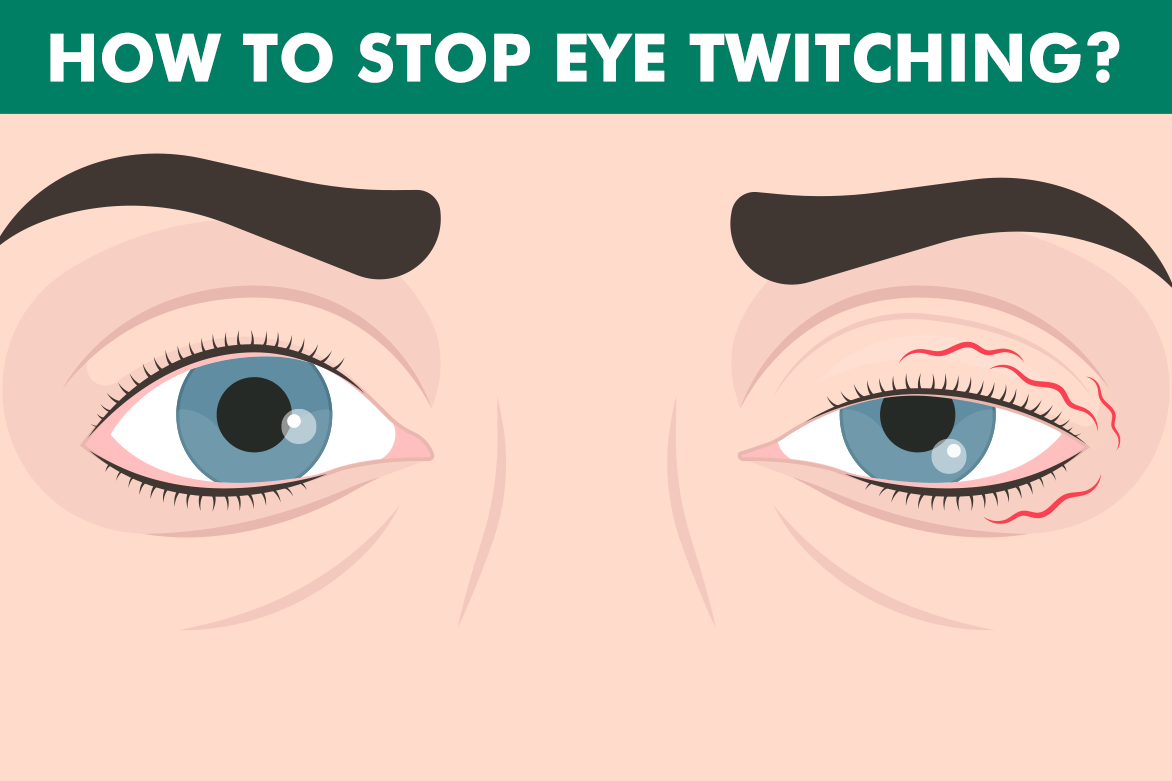
Eye twitching, also known as eyelid spasms or myokymia, is a common condition that can be annoying and distracting. It typically involves involuntary contractions or spasms of the muscles around the eye. While eye twitching is usually harmless and temporary, it can sometimes indicate an underlying medical condition. This blog will explore how to stop eye twitching and provide tips for preventing it from recurring.
A twitching eye can affect either eye, and many people specifically search for right eye twitching or left eye twitching causes. Medically, the causes are the same regardless of which eye is affected.
Types of Eye Twitching
Eye twitching can be classified into two main types:
Eyelid Twitching
Eyelid twitching, medically referred to as blepharospasm, is characterised by involuntary contractions or spasms of the muscles in the eyelids. These twitches usually occur in the upper eyelid, though they can sometimes affect both the lids. Most eyelid twitching is mild and temporary. In some cases, persistent twitching may be a symptom of dry eyes, blepharitis (inflammation of the eyelids), or even neurological disorders like hemifacial spasms.
Eye Muscle Twitching
Eye muscle twitching, or ocular myokymia, refers to involuntary twitching of the small muscles responsible for eye movement. These twitches are typically painless but can cause discomfort due to their repetitive nature. Common causes include lack of sleep, high stress levels, excessive screen time, or nutritional imbalances. While this type of twitching is often harmless and resolves independently, it can sometimes be linked to conditions affecting the nervous system, such as multiple sclerosis.
But how do you get your eyes to stop twitching? Well, the answer is simple, and this blog will guide you through the causes of eye twitching, home treatments you can try, and when to consult an eye care specialist.
Hemifacial Spasm
Hemifacial spasm involves involuntary eyelid closure or forceful along with muscle contractions in the cheek, mouth, and neck, but only on one side of the face. It usually begins with intermittent eye twitching and progresses to affect other facial muscles over time. This type is different from and generally more significant than regular myokymia and needs medical evaluation to determine the cause, particularly because facial nerve compression is a common cause of primary hemifacial spasm.
Causes of Eye Twitching
Eye twitching can have several causes, such as:
Fatigue: Lack of sleep or excessive tiredness can trigger eye twitching.
Stress: High levels of stress and anxiety can contribute to eye twitching.
Caffeine and Alcohol: Consuming excessive amounts of caffeine or alcohol can stimulate eye twitching.
Eye Strain: Prolonged screen time or focusing on one object for too long can strain the eyes and lead to twitching.
Nutritional Imbalances: Nutritional deficiencies, such as magnesium or potassium, can cause eye twitching.
Dry Eyes: Insufficient tear production or dryness of the eyes can result in twitching.
Certain medications, particularly those used to treat psychosis, epilepsy, or migraines, can also cause eye twitching as a side effect. Eyelid twitching or spasms may be associated with underlying neurological conditions, but conditions such as Parkinson’s disease, Bell’s palsy, or multiple sclerosis are not typical causes of isolated eyelid twitching.
Right Eye Twitching: What Does It Mean?
If your right eye is twitching, you are not alone. “Why is my right eye twitching?” is a common question. Medically, there is no difference between right and left eye twitching, the side of the eye does not determine its cause or significance.
Right Eye Twitching For Female: Myth vs Medical Fact
According to a popular misconception, right eye twitching for females is considered an unfavourable sign, while for men it is often seen as a good omen. Left eye twitching carries the opposite meaning in these cultural interpretations. These beliefs vary across regions and communities.
If your right eye twitching persists for many days, causes your eyelid to close completely, or is accompanied by facial spasms, consult an ophthalmologist regardless of any cultural interpretation.
Left Eye Twitching Meaning
Left eye twitching is medically identical to right eye twitching. The same causes apply: stress, lack of sleep, excessive caffeinated beverages, eye strain, and dehydration. In Indian traditions, many people consider left eye twitching favourable for women and unfavourable for men, but this has no medical basis. If the twitching persists or worsens, see an eye doctor.
Eye Twitching Remedies You Can Try At Home
If you want to stop eye twitching, a few simple lifestyle adjustments can provide relief. Try the following tips to ease your symptoms:
Lower Your Stress Levels
Stress is one of the primary causes of eye twitching. Finding ways to manage stress, such as exercise, deep breathing, meditation, or simply taking breaks throughout the day, can provide relief from eye twitching.
Limit exposure to stressful news, connect with friends and family, and set aside time for activities you enjoy. Consider practising yoga, meditation, or any relaxation techniques that work for you.
Cut Back on Caffeine
Too much caffeine can overstimulate your nervous system, leading to eye twitching. We know that as Indians, we love our Masala Chai and Filter Coffee, but you can stop eye twitching by reducing your coffee, tea, energy drinks, and chocolate intake. Limit caffeine consumption to a maximum of 400 mg daily (around two strong cups of coffee).
If you’re a heavy caffeine user, reduce your intake gradually to avoid withdrawal symptoms like headaches or irritability.
Get Enough Sleep
There is no better treatment for eye twitching than a good night’s sleep. Adults need at least seven hours of sleep each night for optimal health, including eye health. To improve your sleep hygiene, go to bed and wake up on time, keep your bedroom dark and quiet, and avoid large meals or alcohol before bed.
Take Regular Screen Breaks
Staring at screens for long periods can lead to digital eye strain, also known as computer vision syndrome. This condition can cause eye twitching, dry eyes, blurred vision, and headaches.
To reduce digital eye strain, follow the 20-20-20 rule: every 20 minutes, look at something 20 feet away for at least 20 seconds. This simple technique can help relax your eye muscles and reduce or cure eye twitching.
Apply a Warm Compress
A warm compress can be a good treatment for eye muscle twitching and stop the spasms. Soak a washcloth in warm water, wring it out, and place it over your eyelid for 5 to 10 minutes. Repeat this as needed throughout the day.
Use Lubricating Eye Drops
Dry eyes often contribute to eye twitching, especially if you spend long hours on digital devices or suffer from allergies. Lubricating eye drops can help keep your eyes moist and provide relief from eye twitching.
Medical Treatments for Eye Twitching
If at-home remedies don’t provide relief or your eye twitching becomes severe, you may need to explore medical treatments. These treatments can range from prescription medications to more advanced interventions like botox or surgery.
Prescription Medications
Medications that relax the eye muscles can be prescribed for persistent or severe cases. These may include muscle relaxants, sedatives, anticonvulsants, or even drugs that affect dopamine levels, like those used to treat ADHD or anxiety.
Botox Injections
Botox is commonly used to treat chronic eye twitching. Small injections of botulinum toxin are administered around the eye to block the chemical signals that cause muscle contractions. This treatment for eye muscle twitching is often effective for up to three months at a time.
Surgical Options
Surgery may be necessary in rare cases to treat eye twitching caused by conditions like blepharospasm or hemifacial spasm. The most common procedure is called eye myectomy, where the surgeon removes some of the muscles or nerves responsible for the twitching.
When to Seek Medical Help for Eye Twitching
While eye twitching is usually harmless, persistent or severe twitching can indicate a more serious issue. You should see an ophthalmologist if:
- Your eye twitching lasts for several weeks without improvement.
- You experience severe spasms that cause your eyes to close completely.
- Other muscles in your face begin to twitch.
- You have other unusual symptoms along with the twitching.
At Planet Lasik, we’re committed to helping you maintain excellent eye health. Consult our expert ophthalmologists if you’re experiencing persistent eye twitching or other vision issues.
How Is Eye Twitching Diagnosed?
Most cases of eye twitching are diagnosed through a medical history review and a physical examination. Your doctor will check your nervous system function and examine your eyes for signs of dryness, irritation, or misalignment.
If the twitching is persistent or accompanied by other symptoms like facial spasms, your doctor may recommend imaging tests such as a CT scan or MRI to rule out neurological conditions. You may also need to get a blood test to check for nutritional deficiencies or thyroid issues.
How To Prevent Eye Twitching From Coming Back?
These habits can help prevent it from returning:
- Stick to a consistent sleep schedule, even on weekends. Aim for at least 7 hours per night.
- Reduce carbonated drinks gradually. Cut back on coffee, tea, chocolate, and energy drinks over 1-2 weeks.
- Exercise regularly. Physical activity reduces stress and improves sleep quality.
- Follow the 20-20-20 rule if you spend long hours on screens. If you wear contact lenses, follow proper hygiene and give your eyes regular breaks.
- Track your triggers. If you notice that certain activities, foods, or habits trigger your twitching, avoid or minimize them.
Frequently Asked Questions
How to stop eye twitching immediately?
To stop eye twitching immediately, try gently massaging the area around your eye, applying a warm compress, or resting your eyes. Reducing stress, staying hydrated, and avoiding caffeine can also help relieve twitching.
What is the main reason of eye twitching?
The leading cause of eye twitching is often stress, fatigue, or eye strain. Other factors like excessive caffeine intake, dry eyes, and irritation from bright lights can also trigger twitching. However, it is best to consult your doctor to understand the reason behind your twitching eyes.
How long does an eye twitch last?
An eye twitch typically lasts a few seconds to a couple of minutes. However, in some cases, mild twitching can persist intermittently over a few days or weeks before resolving on its own. You should see an ophthalmologist if it lasts for several weeks without improvement.
Can dehydration cause eye twitching?
Yes, dehydration can contribute to eye twitching. When the body is low on fluids, it can lead to muscle spasms, including involuntary movements in the eye muscles.
What vitamin deficiency causes eye twitches?
A magnesium deficiency is commonly linked to eye twitching. Low levels of this mineral can cause muscle spasms. Vitamin B12 and vitamin D deficiencies may also contribute.
Why is my right eye twitching?
Right eye twitching is caused by the same factors as any eye twitching: mental tension, fatigue, caffeine, screen strain, dry eyes, or certain dietary deficiencies. In Indian culture, right eye twitching carries different superstitious meanings for men and women, but medically there is no difference between right and left eye twitching. If it persists beyond two weeks, see an eye doctor.
What does right eye twitching mean for females?
In some Indian traditions, right eye twitching for females is considered an unfavourable omen, while left eye twitching is considered favourable. Medically, eye twitching has the same causes and significance regardless of gender. Overstimulation, disturbed sleep cycle, caffeine, and eye strain are the most common triggers. If the twitching is persistent or severe, consult an ophthalmologist.
Is a twitching eye a sign of something serious?
In most cases, a twitching eye is harmless and resolves on its own within days. However, if the twitching lasts more than two weeks, causes your eyelid to close completely, spreads to other facial muscles, or is accompanied by eye discharge or drooping, it could indicate a more serious condition like blepharospasm or hemifacial spasm. See a doctor if any of these apply.